Feb 20, 2017
The (re)evolution of Learning and Development in 2015

People rarely succeed unless they have fun in what they are doing - Dale Carnegie, Author- How to Win Friends and Influence People
Learning and Development has emerged as one of the main differentiators in our knowledge economy where great people make the greatest difference in the success of a company. As more companies recognize the importance of L&D, more time, effort and investments are being made in the same. A host of new ideas, theories, tools and methodologies aiming to improve the talent managers ROI, resource utilization and end results have emerged. The past year saw some budding concepts of 2013 grow into major trends in learning departments across the country and this gave us a good insight into what should be prioritized going ahead. The goals for L&D have not changed drastically, but rather the focus is on meeting the same/similar primary objectives in newer ways with smarter methods.
The main questions were WHAT and WHO to focus on developing? To arrive at the solution we examined the key issues and challenges that HR face today- what was standing in the way of achieving their talent development goals- from improving employee productivity, motivation and communication to lowering attrition. Moreover, what can be done to optimize L&D efforts?
What to focus on
To cope in the talent-scarce scenario that companies often list as one of their most pressing HR issues, the main areas to invest in for 2015 are:
Leadership Competencies
In our globalized world, organizations are increasingly facing a leadership crisis where the skills for critical thinking, engaging others and visioning are in short supply. The ability to communicate the larger organizational vision, connect with all employee levels and generate buy-in has necessitated that leadership capabilities be the core competency that L&D needs to focus on in the coming year.
Employee Engagement
As per the Dale Carnegie Employee Engagement Study 2014, 54% of the Indian workforce is not fully engaged at a work. Disengaged employees tend to be poor performers, stirring up resentment and leading to employee attrition. L&D departments have traditionally tried to increase engagement in a number of ad-hoc ways, but now the trend of implementing complete engagement solutions is increasing significantly. These holistic solutions include assessments, company-specific analysis, benchmarking, targeted interventions followed by pulse surveys.
Who to focus on
Senior Leadership
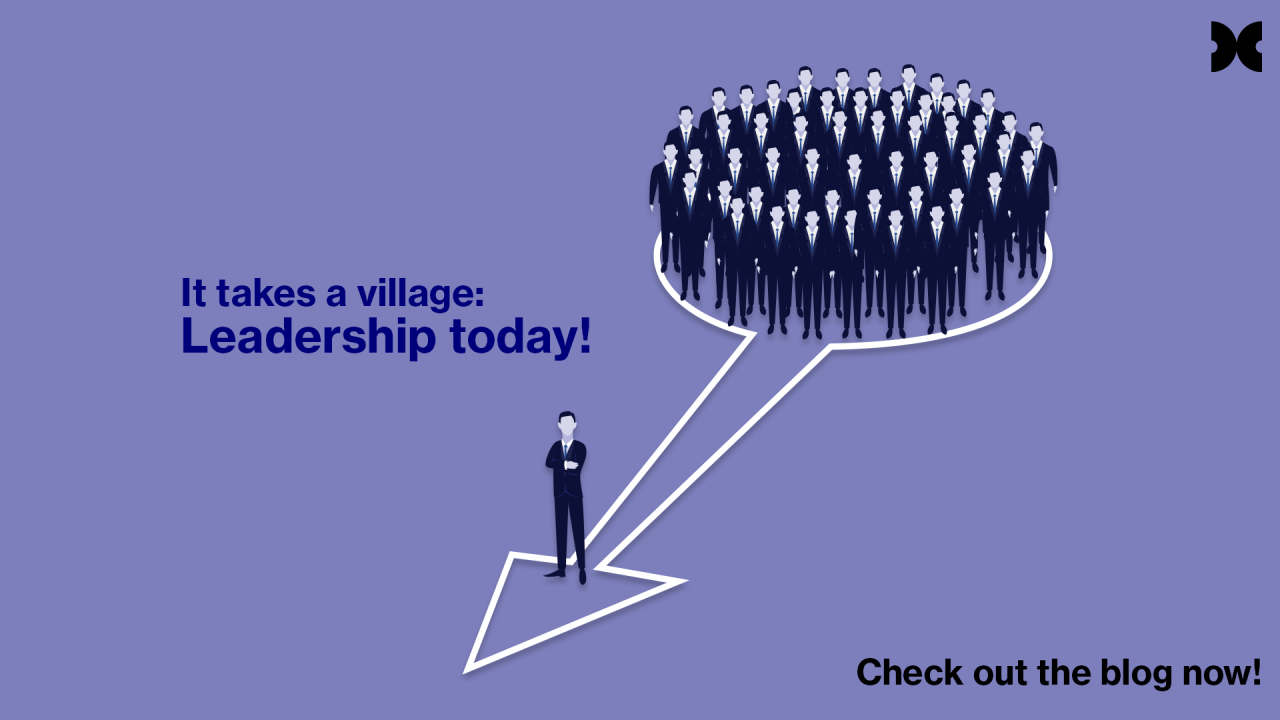
The new generation of employees has different aspirations, worldview and comfort with technology, which in turn has led to the emergence of new working styles and expectations. Millennials are increasingly defined by their love for autonomy, focus on merit over tenure and aspiration to be part of making a difference. There is a big gap in their learning patterns and preferences, compared to that of older management. Developing senior leaders will help the multi-generational workforce get clear direction and role-modeling from the top.
High Potentials
Most leading organizations already have a high performer program in place to reward, recognize and retain the best, but many of them are not consistent in their plan for high potentials. More often than not, HR finds themselves struggling to replace managers and leaders who have moved on from the organization. So talent professionals are now looking at formulating specific high-potential plans to develop bench strength and focus on grooming, not only current leaders, but also the next-in-line for better continuity.
Optimize, optimize, optimize….
New forms of delivery
Employees should know not only what to learn, but also HOW to learn. Till today, organizations rely heavily on Instructor-Led Training, along with the use of various audio-visual aids and reading material. The use of newer, more technology-oriented mediums of delivering enterprise learning is still nascent in India- such as mobile, social and e-learning. These are cost-efficient solutions which could be better for self-paced learning, but are ultimately hampered by poor connectivity and have shown reduced efficacy when it comes to simulations or live practice applications.
We've seen that Live Online Training is an option that combines the best of both worlds- capable of including virtual teams, peer learning and demonstrative exercises as well as cuts down on extra costs like infrastructure and transportation. In the short term, we can expect a gradual progression to more blended learning approaches and then eventually to more e-services.
Partner selection
Choosing the right provider is vital to ensure that your training and development initiatives are aligned with business goals, targeted and can showcase real-world results. L&D investment should strike a balance between measurable impact and program cost while addressing learning needs. Up until now, talent managers were adopting a pick-and-choose selection from several vendors to meet diverse requirements. But we are seeing an important shift toward a more one-stop-shop approach- to choose consultative partners who can assess and provide services across levels, locations and competencies. L&D heads will be making sure they demand consistency in training delivery, proven content and 360O reports consisting of participant feedback, behavioral change and workplace application.
In the end, learning professionals must work closely with their corporate heads to set the right goals, assess the important gaps, choose the ideal partners, technology and programs to develop their people. With the support of these, L&D can reinvent the way organizations view talent development so that interventions lead to impact at the workplace and company culture becomes as much about enabling individual success, as about corporate performance.
Previous Blog