Sep 5, 2024
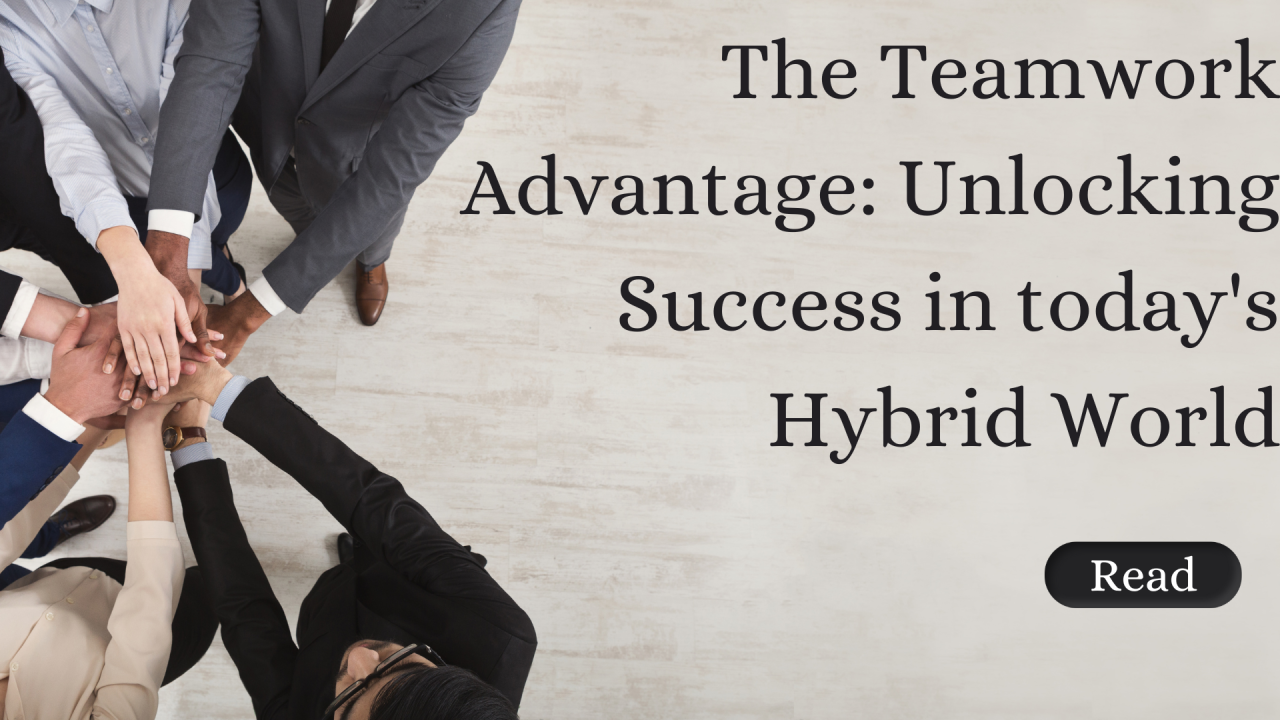
The Teamwork Advantage: Unlocking Success in today's Hybrid World
As a leader, you've likely pondered the question: "How do teams become high-performing and maintain an elevated standard that promotes sustained business growth?" This is a question that resonates with every leader striving to steer their team towards success. In the ever-evolving landscape of hybrid work, the need for high-performing teams has never been greater. While many teams meet their basic goals, only a select few truly soar - exceeding expectations and driving innovation. What separates these champions from the pack? The answer lies in teamwork: a potent blend of collaboration, purpose, and adaptability that amplifies individual strengths and propels collective success.
Dale Carnegie’s latest research, involving 2,650 global respondents and insights from industry experts, delved into the drivers behind high-performing teams. The findings shed light on the factors that set these teams apart and offer valuable lessons for leaders looking to enhance their team's performance.
A Disconnect to Bridge:
While 96% of teams in our study acknowledged at least meeting their performance goals, only 30% were considered high-performing, exceeding their goals. This discrepancy isn't about technology or remote work, but rather internal team dynamics and organizational culture. Leaders often have a significantly more favorable view of their team's culture and satisfaction compared to team members and managers. For example, 73% of leaders in the Dale Carnegie study felt their team had "very good" or "excellent" teamwork compared to only 60% of team members. This perception gap hinders performance and creates missed opportunities for improvement.
Crystal Clear Purpose:
Interestingly, the research points out that 89% of high-performing teams have a "very or extremely clear" vision and purpose compared to 65% of non-high-performing teams. Understanding the "why" behind their work motivates team members and aligns individual tasks with the bigger picture.
Communication Without Friction:
The White Paper mentions that 81% of individual contributors interact with their team members daily, highlighting the importance of effective communication. However, "poor or no communication," "lack of listening," and "lack of collaboration" were frequently cited dissatisfactions. Open dialogue, active listening, and two-way feedback are crucial for building trust and fostering high-performance.
Embracing the Change Curve:
74% of teams exceeding goals reported favorable access to training and development materials compared to 49% of those who barely met or missed their goals. Continuous learning and adapting to new work models, like fractional work or role-sharing, empower teams to navigate the dynamic business landscape.
Tearing Down Silos:
Collaboration is king! While most teams interact daily, the frequency of interaction correlates with high-performance. Breaking down departmental barriers and encouraging cross-functional teamwork unlocks diverse perspectives and sparks innovation.
Investing in Growth:
Opportunity for personal development and growth was the biggest factor separating high-performing teams from others. Teams where members feel their skills are valued and nurtured thrive.
Trust and Accountability as Cornerstones:
48% of team members and 60% of managers stated their teams had "very good" or "excellent" accountability, highlighting a potential area for improvement. Building trust through shared responsibility and empowering team members with ownership boosts performance and satisfaction.
Tech as a Sidekick, Not a Hero:
The study found that 87% of remote and in-person employees feel productive at work, yet only 12% of CEOs share this sentiment. Technology is a valuable tool, but it cannot replace a strong team culture. High-performing teams leverage technology to enhance communication and collaboration, not as a substitute for human connection.
Building a Culture of Growth:
Creating high-performing teams requires ongoing effort from everyone. Leaders must champion a culture of growth, prioritizing empathy, continuous learning, and meaningful communication. This means actively seeking feedback, addressing perception gaps, and providing opportunities for development and collaboration.
By investing in teamwork and nurturing a culture of growth, organizations can unlock the full potential of their diverse workforce, leave the competition in the dust, and soar to new heights in the hybrid era.
Contact us today to know more!
Previous Blog